Penn State University College of Agricultural Sciences Education - Undergrad, shortcourses, etc Extension - Extension information & publications Research - Research labs & programs
Entomology
Search/Home
Graduate Studies - Program Overview
Navigation bar Grad Program: Admission, On-line Application, Support, Courses International Focus: International programs, Spanish insect factsheets & resources Public Education: Public Events, Great Insect Fair, Bug Camp for Kids Insect Advice: Insect Fact Sheets, IPM, Public Education, BugMobile Affiliations: Inter-departmental & Cooperative Research Facilities: Department, Centers, Research, Farm, Museum People: Faculty, Staff, Graduate Students People: Faculty, Staff, Graduate Students

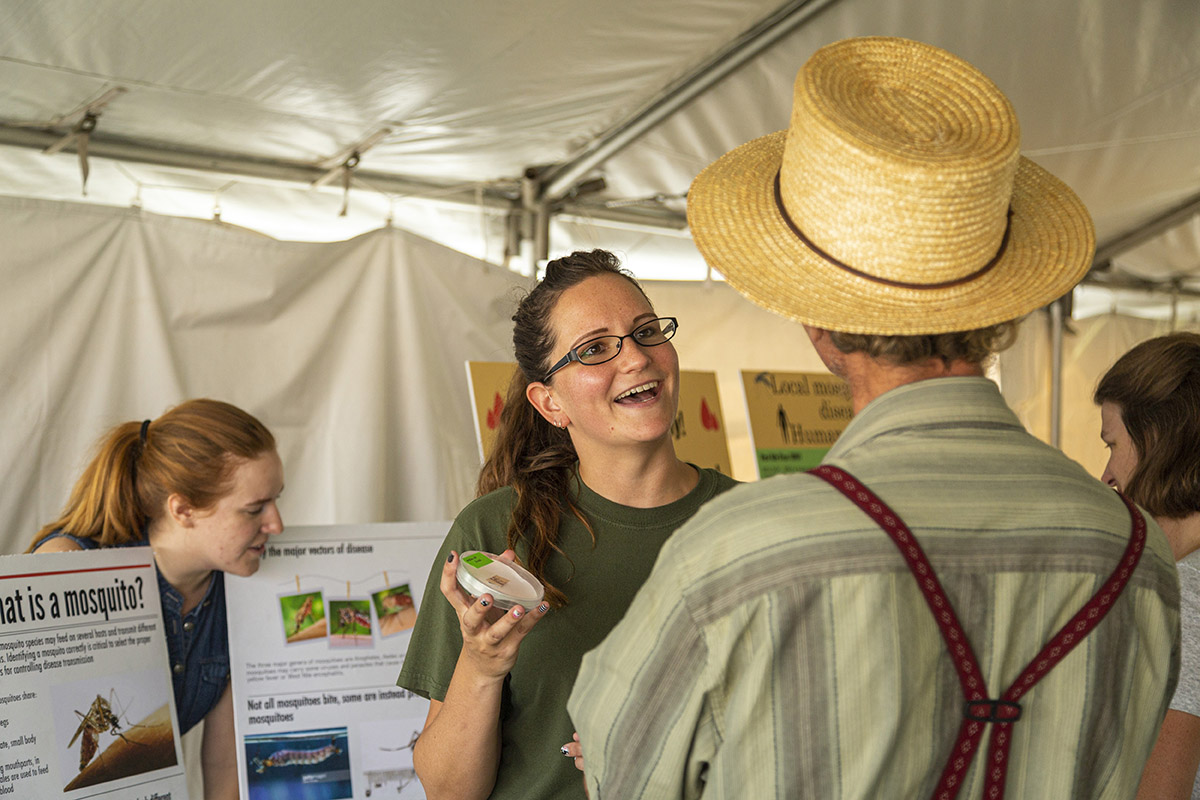
Graduate study at Penn State goes beyond taking classes and completing a thesis or dissertation. The Department of Entomology's graduate program seeks to educate students in all facets of professional development. Students combine classroom and independent studies with experiential learning in many aspects of professional life including classroom teaching, multimedia software development of instructional materials, public science education talks, videotaping scientific talks, collection curation, biodiversity studies, hosting visiting speakers, and designing departmental retreats. Many other types of activities have been designed and developed by individuals according to their own unique backgrounds and interests. Our goal is to provide the optimum individualized educational experience for graduate students according to their own unique backgrounds, interests, and career directions. Recent graduates indicate that these experiences greatly helped in preparing them for successful job interviews and often their choice of potential career positions. 

Graduate programs lead to the Master of Science, Master of Agriculture, and Doctor of Philosophy degrees in one of five specialty areas or in one of three intercollege program areas. 

Research Program Areas:

University Setting:

Founded in 1855, Penn State is the land-grant university of Pennsylvania. It now is one of the largest universities in the country, with twenty-two campuses. The University Park Campus is located in State College, in scenic central Pennsylvania. The population of the metropolitan area is about 70,000. The town retains a collegiate atmosphere enhanced by many small shops, restaurants, cinemas, and bookstores. For those who enjoy the outdoors, there are many state parks and recreation facilities within easy driving distance. 

Facilities::

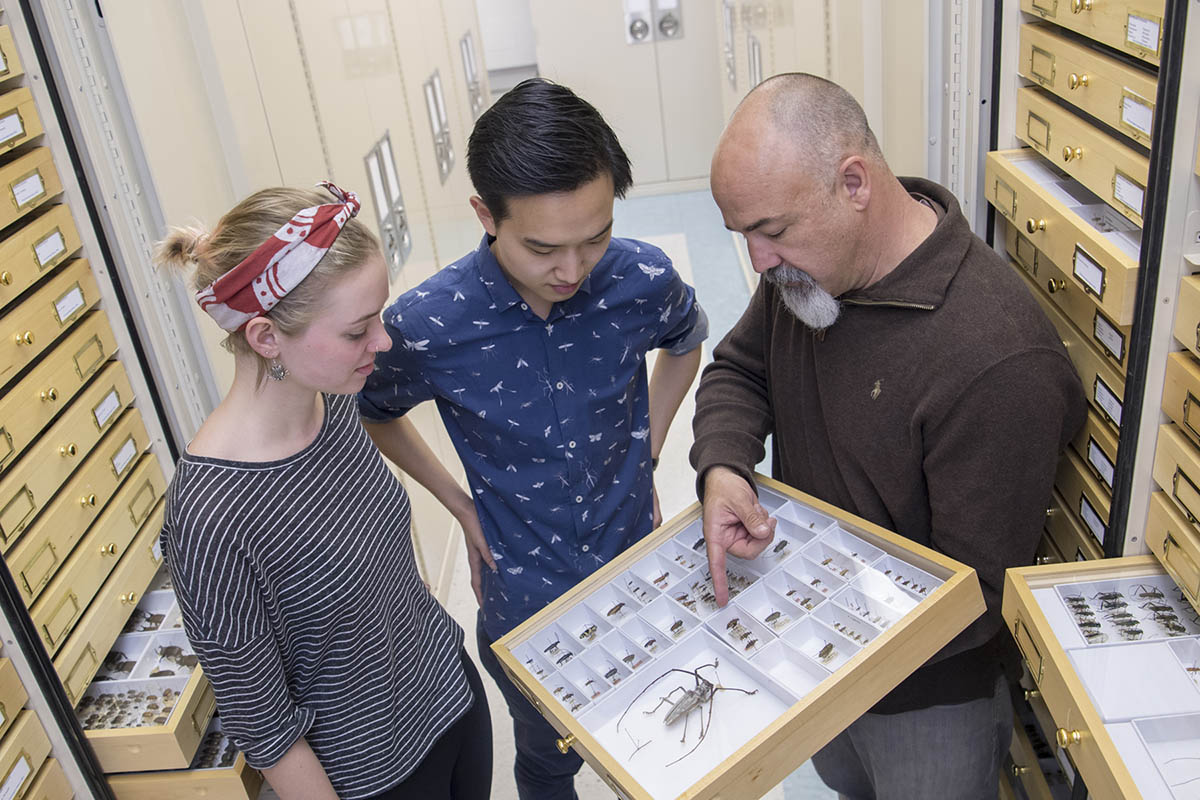
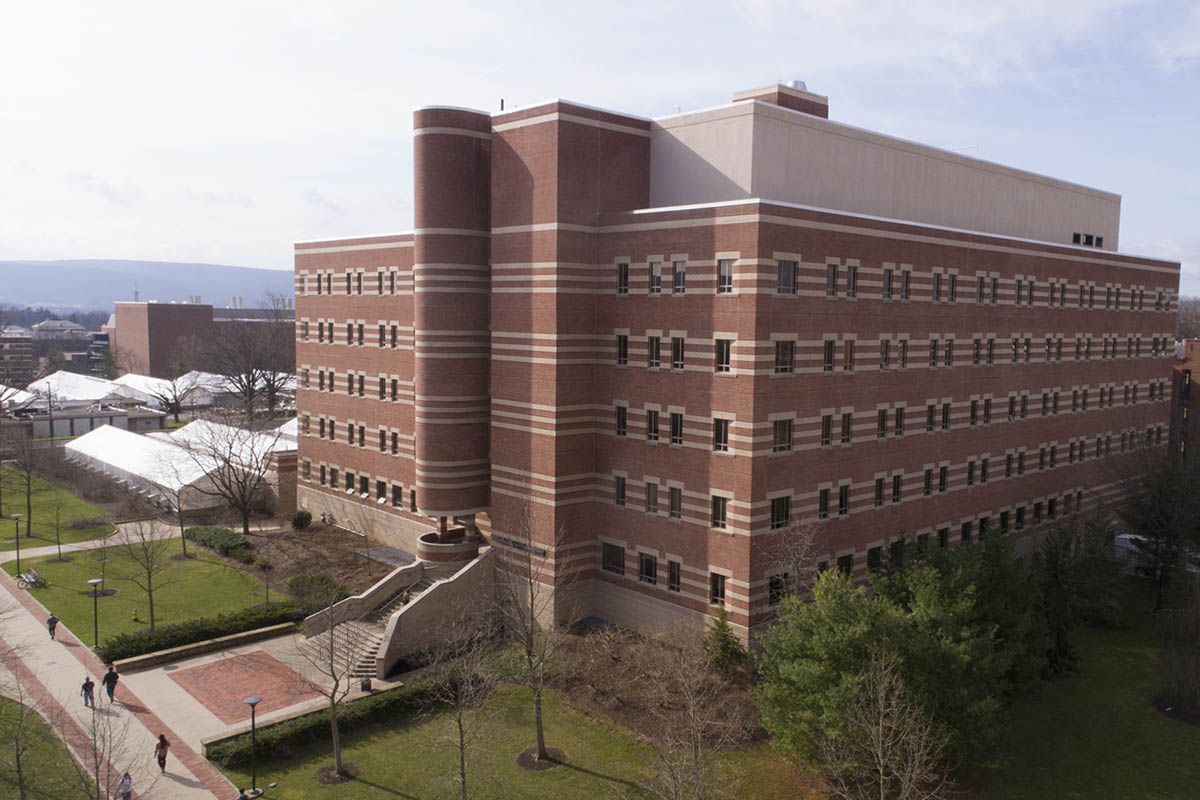
Most departmental facilities are located on the fifth floor of the Agricultural Sciences and Industries Building, which was completed in 1991. Facilities include 14 research laboratories, 35 offices and classrooms, 800 square feet of growth-chamber space, and the College's Expert Systems Development Group. Laboratories and offices also are located in the Chemical Ecology Laboratory and the Entomology Ornamentals and Turf Laboratory. The Frost Entomological Museum, the Center for BioDiversity Research, advanced teaching laboratories, and greenhouses are located in Headhouse 3. Additional facilities include the Gypsy Moth Research Center, the Russell E. Larson Agricultural Research Center at Rock Springs, the Fruit Research and Extension Center at Biglerville, the Lake Erie Regional Grape Research and Extension Center at North East, and the Southeast Agricultural Research and Extension Center at Landisville. 

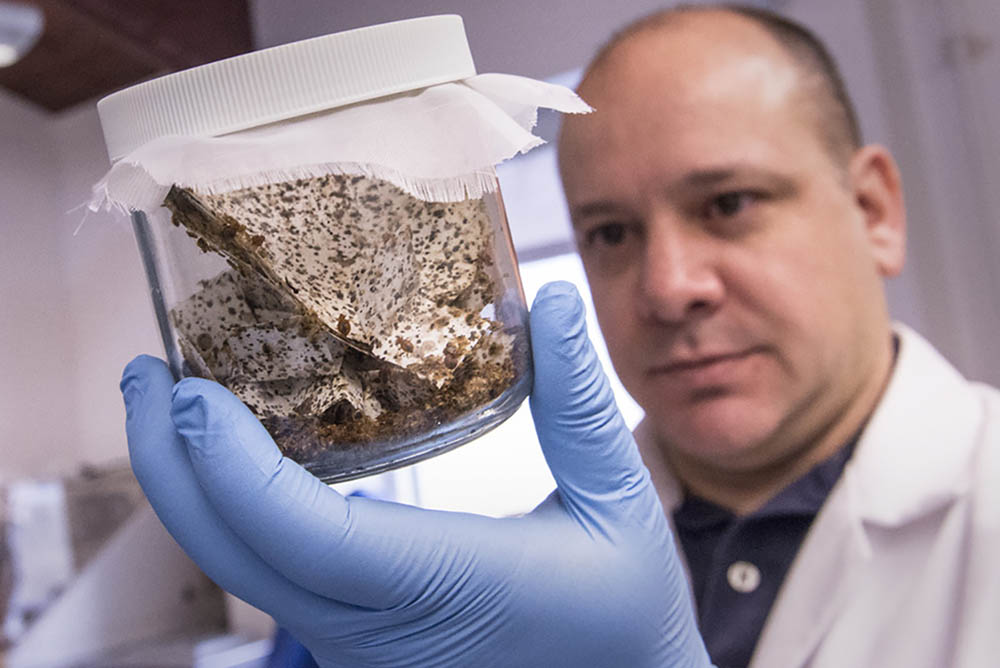
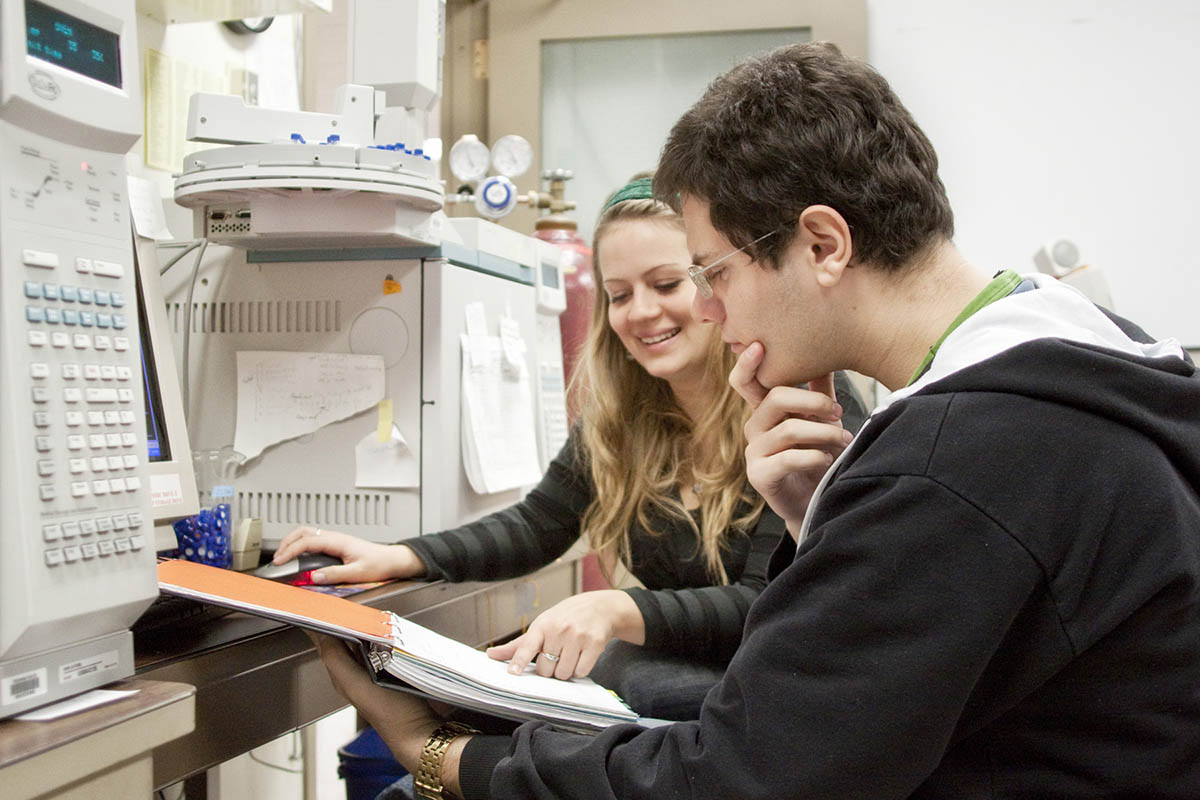
The laboratories have modern equipment appropriate to the department's many specialized research and instructional needs, including equipment for spectroscopy, microscopy, high performance liquid chromatography and mass spectrophotometer, electrophysiology, enhanced computer graphics, geographic information systems, and a high-speed computer network. Graduate students and faculty have access to the Information Technology Services, Consulting and Support Services, Breazeale Nuclear Reactor, Electron Microscopy Center, Center for Cell Research, Biotechnology Institute, and Center for Integrated Ecosystem Management. The department shares extensive technical and scientific equipment with other departments. Resources in the University's Pattee Library are excellent.

The department accepts students for fall, spring, and summer semester matriculation. Students are expected to have a strong background in biological sciences as well as course work in physics, general through organic chemistry, mathematics through calculus, statistics, and computer science. 

 
Spacer
Last modified
Wednesday, July 26, 2006 9:07
Search